The Role of a Surveyor in Subdividing Land in Montana

September 3, 2025

As Montana continues to grow, especially in areas like Billings and Yellowstone County, many landowners are exploring the opportunity to subdivide their land—whether to sell off a portion, develop a residential neighborhood, or pass land down to family.


But subdividing land in Montana isn’t as simple as drawing a new line on a map. It involves a precise, legal process—and the role of a licensed land surveyor is central to getting it done correctly, efficiently, and legally.


In this post, we’ll walk through why surveyors are essential when subdividing property, the typical process in Yellowstone County, and what landowners should consider before starting.


What Is a Land Subdivision?


A subdivision is the legal process of dividing one parcel of land into two or more lots. This is often done for:


  • Residential development
  • Selling part of a property
  • Creating an easement or access route
  • Planning for future construction or investment


The process must comply with Montana’s Subdivision and Platting Act, as well as local regulations from counties or municipalities.


Why You Need a Land Surveyor


A licensed land surveyor plays a critical role in every subdivision project. Their responsibilities typically include:


📐 1. Mapping and Measuring


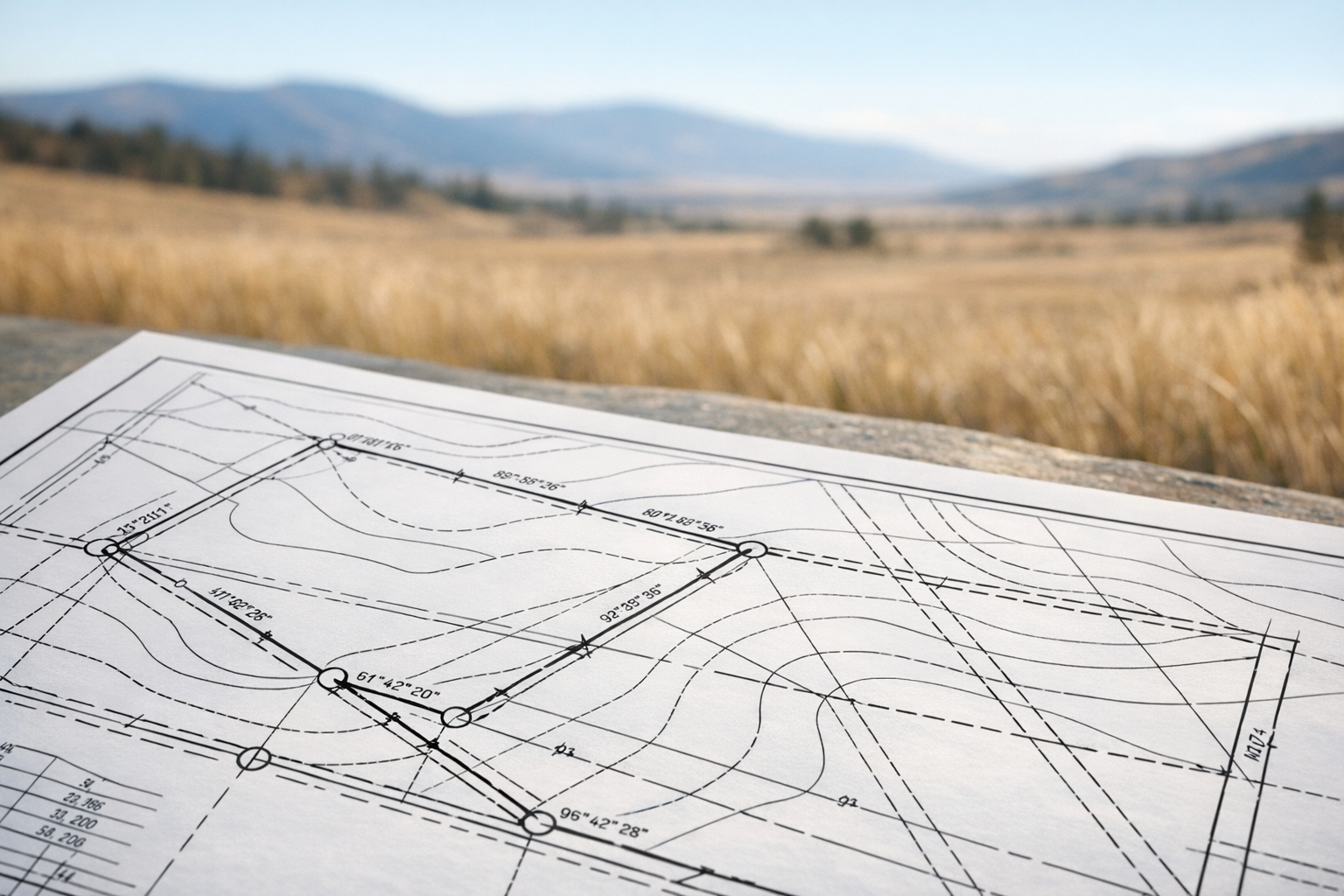
Surveyors measure and map the existing parcel using advanced equipment and GIS tools. They define accurate lot lines, property dimensions, and identify any easements or encroachments.


🧭 2. Creating a Preliminary Plat


This is a detailed drawing showing the proposed lot divisions, street access, and utilities. The surveyor ensures this map meets all county zoning and planning codes, including minimum lot sizes, right-of-way widths, and setback requirements.


📝 3. Filing Legal Documents


Surveyors work closely with landowners, title companies, and attorneys to produce the legal descriptions and plats required for filing with the Yellowstone County Clerk and Recorder’s Office.


🧩 4. Navigating Regulations


Different subdivision types—such as minor vs. major—trigger different review processes. Your surveyor helps you understand which category your project falls under and prepares the documentation needed for planning board or city council approval.


🏗️ 5. Supporting Development Plans


In larger projects, surveyors collaborate with engineers, architects, and developers to plan access roads, drainage systems, and utilities—all based on the land’s topography and layout.


The Subdivision Process in Yellowstone County


Here’s a simplified overview of how the subdivision process typically works in the Billings area:


  1. Hire a licensed land surveyor to review your land, title, and zoning requirements.
  2. Prepare a preliminary plat, showing proposed lots and any infrastructure improvements.
  3. Submit the plat for county review, including environmental assessments, impact studies, or utility plans if required.
  4. Attend public hearings or planning meetings, if your subdivision needs board approval.
  5. Revise and finalize the plat based on feedback.
  6. Record the final plat with the Clerk and Recorder, officially splitting the land into new legal parcels.


Common Subdivision Challenges in Montana


Even with the right team, subdivisions can be complex. Surveyors help you avoid or resolve challenges like:


  • 🔍 Improper legal descriptions from old deeds
  • 🚫 Nonconforming lot sizes due to zoning codes
  • 🌲 Environmental restrictions (wetlands, flood zones)
  • 🚧 Limited access to roads or utilities
  • 🧭 Disputes with neighboring properties or unclear boundaries


When Should You Contact a Surveyor?


As early as possible.


Many landowners try to sketch their own plans or guess at boundaries, only to discover they’ve made assumptions that derail the process. Bringing in a licensed surveyor at the very beginning ensures your plan is feasible—and that your time and money are well spent.


Whether you’re subdividing an inherited ranch property east of Billings or a city lot near downtown, a surveyor is your first step to success.


Final Thoughts


Land subdivision is a powerful tool for maximizing property value, planning for the future, or developing Montana’s growing communities. But it’s also a regulated process that requires expert guidance. A licensed land surveyor does more than draw lines—they provide clarity, legal security, and local knowledge that moves your project forward.


Call us at 406-551-1916 for a free quote today, or visit prairiepointlandsurveyor.com to learn more about our services. Let’s ensure your next project in Billings succeeds!
Construction site with excavators, orange safety fencing, and mountain backdrop.
January 7, 2026
Planning a development project in Montana? Learn which surveys and site documents to include in your 2026 development checklist to avoid delays and stay compliant.
Snow-covered field with a fence in front of snow-capped mountains under a clear blue sky.
December 17, 2025
Learn how winter conditions affect land surveying in Montana and how experienced surveyors deliver accurate, reliable results year-round
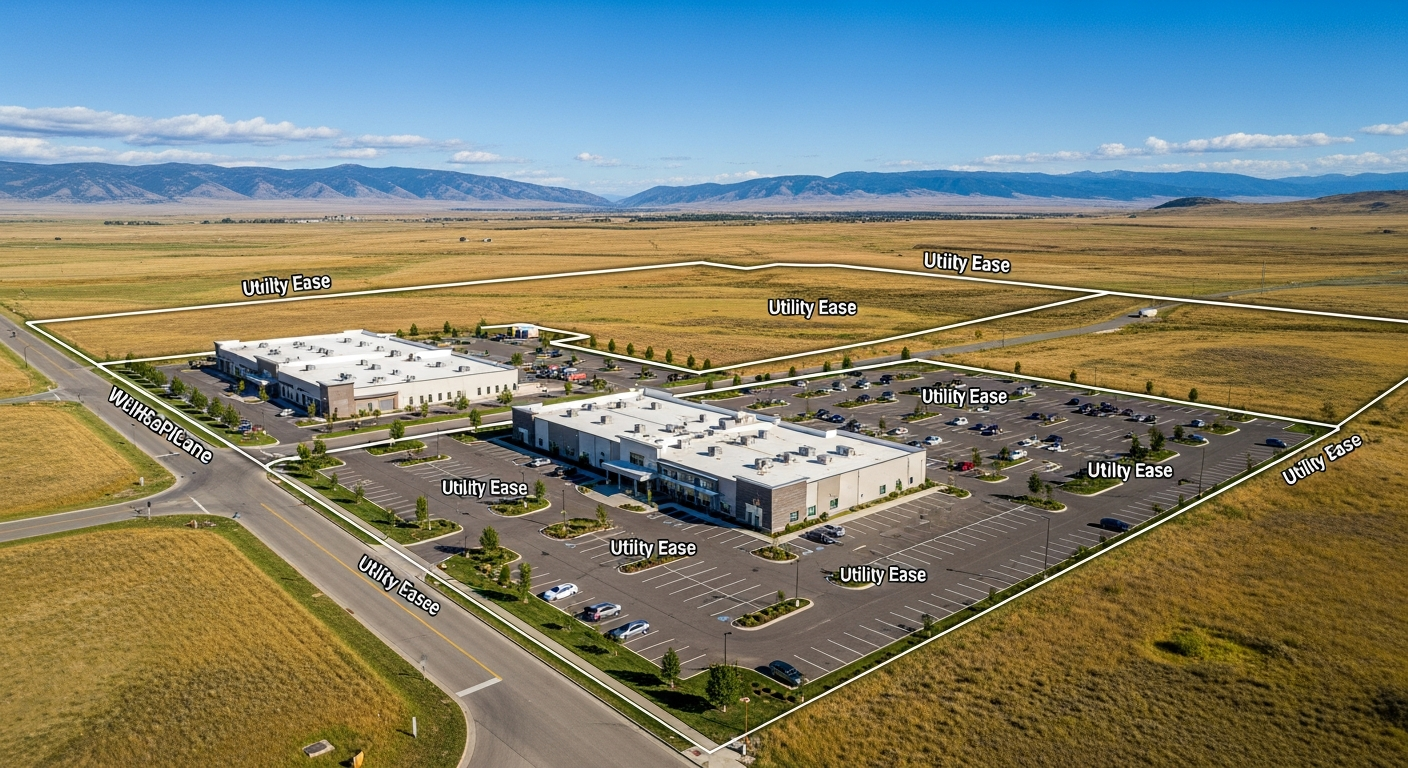
Aerial view of two commercial buildings with parking, set in a field near mountains.
December 10, 2025
Learn why commercial buyers need an ALTA/NSPS Land Title Survey in Montana.
Barbed wire fence with weathered wooden posts, spanning across a dry, grassy plain under a bright blue sky.
December 4, 2025
Learn how a certified boundary survey resolves property corner disputes in Montana. Understand how survey data protects ownership and clarifies legal property limits.
Rolling golden hills with rippled patterns, dotted with trees, under a clear blue sky.
November 26, 2025
Learn when you need a topographic survey in Montana and why accurate elevation data is essential for design, drainage, and construction planning.
Aerial view of a house plan overlaid on a dirt lot, showing a curved driveway and surrounding trees.
November 19, 2025
Get a certified site plan that meets Montana permitting standards. Learn how accurate survey data supports zoning compliance, construction planning, and smooth permit approval.
Fence lines across a dry field, mountains in the distance under a blue sky.
November 12, 2025
Understand Montana’s surveying laws and why only licensed surveyors can certify property boundaries. Learn how compliant surveys protect ownership and ensure legal accuracy.
Surveyors' stakes and lines mark a grassy field, mountains in the distance, and blue sky.
November 5, 2025
Learn how to read a land survey drawing with confidence. Understand boundaries, easements, and topography from certified Montana surveyors.
Surveying equipment set up by a river, autumn landscape.
October 30, 2025
Get clarity on elevation certificates in Montana. Learn how certified data from a licensed land surveyor can lower flood insurance costs and ensure FEMA compliance.
October 24, 2025
Before winter weather settles across Montana, it’s worth asking: Are your property boundaries clearly defined? At Prairie Point Land Surveyor, we see a consistent pattern each year. Homeowners and developers who schedule surveys in the fall avoid costly construction delays, permit issues, and frozen-ground headaches once winter arrives. Here’s why autumn is the ideal season to complete a boundary survey —and how it helps you move confidently into the new year. Why Boundary Surveys Matter A boundary survey identifies and verifies the exact limits of your property. It’s the foundation for nearly every land-related decision, from installing a fence to subdividing acreage. The surveyor’s job is to locate property corners, research deeds and plats, and produce a certified survey drawing you can rely on for permits, design, or construction. Without an accurate survey, you risk building in the wrong location or misjudging your property’s size—and that can lead to legal disputes, wasted material, and project delays. Fall Offers the Best Field Conditions In Montana, field conditions matter. Surveying depends on visibility, accessibility, and stable ground—all of which are optimal during the fall months. 1. Better Ground Visibility By late September and October, vegetation starts to thin out. This improves line-of-sight for instruments and makes corner markers, fences, and monuments easier to locate. Tall grass, dense brush, and summer foliage often obstruct boundary points—so survey accuracy improves when sightlines are clear. 2. Accessible Terrain Before winter snowpack or spring runoff, surveyors can reach corner monuments without the added challenge of mud or ice. Dry, stable soil allows for faster and safer surveying work. 3. Ideal Lighting and Weather Cooler temperatures mean crews can spend longer periods in the field, and with less heat distortion affecting instrument readings, the precision of total station and GPS measurements is often at its peak. Avoid Winter Delays and Frozen Ground Once Montana’s frost sets in, fieldwork becomes more complex. Iron pins and monuments can freeze in place, snow can obscure markers, and the ground may require thawing before measurement or excavation. Surveying ahead of the cold season ensures your survey record and certified map are complete and ready when contractors, lenders, or county offices need them. In other words: while others wait for spring thaw, you’re ready to move forward. Perfect Timing for Upcoming Projects Whether you’re planning a fence installation, driveway, addition, or new build in the coming year, a fall survey keeps your project timeline on track. You’ll benefit from: Accurate site data for design and permitting. Your engineer or architect can begin work immediately. Verified property corners for contractors. Builders can plan without uncertainty. Regulatory compliance early on. If you need an Elevation Certificate or ALTA/NSPS Land Title Survey , completing it before winter avoids spring rush delays. By scheduling now, you’ll enter construction season with confidence—and likely save on costs tied to rushed or postponed surveys. Legal & Real Estate Advantages Boundary clarity doesn’t just support construction—it protects ownership. A current survey helps confirm legal property lines , identify encroachments , and resolve title questions before a sale or refinance. Lenders and title companies frequently require an updated boundary or ALTA/NSPS Land Title Survey before closing. Having this documentation ready in advance helps your transaction move smoothly, even during the busy spring market. How Prairie Point Handles Fall Surveys At Prairie Point Land Surveyor , we combine detailed field measurements with local regulatory expertise. Every survey is conducted by a licensed Montana surveyor , and each certified drawing meets state and county requirements. Our process includes: Record Research – Reviewing deeds, plats, and easements. Field Work – Locating or setting property corners using GPS and total station equipment. Data Analysis – Reconciling field findings with record documents. Certified Survey Drawing – Delivering a clear, precise map ready for permitting, sale, or construction. You receive a final deliverable you can trust—accurate, compliant, and ready for your next step. Montana-Specific Considerations Local conditions make Montana surveying unique. From expansive rural tracts to complex subdivision corners, each site demands local experience and familiarity with county records. Our Billings-based team understands these conditions—whether your property lies in Yellowstone County or along the surrounding rural edges—and ensures compliance with state and local surveying standards . When to Schedule Your Fall Survey We recommend booking a boundary or elevation survey between mid-September and mid-November , before the first deep freeze. If you’re planning construction, land purchase, or design work in spring 2026, now is the right time to: Confirm property boundaries Obtain a certified survey drawing Request elevation data or ALTA documentation Scheduling early ensures availability and avoids the spring backlog. Final Thoughts Fall offers the perfect window to clarify your property boundaries before Montana’s winter sets in. Accurate survey data now saves time, prevents disputes, and prepares you for any project or transaction ahead. At Prairie Point Land Surveyor, we provide precise, compliant, and dependable results—so you can move forward with confidence, whatever your next project may be. Need a boundary survey before winter? Contact Prairie Point Land Surveyor today for a quote and timeline. You’ll receive a certified survey drawing that meets all regulatory standards and keeps your plans on solid ground.