Winter Surveying Challenges in Montana, and How We Overcome Them
Winter in Montana doesn’t bring land development to a complete stop—but it does change how surveying work is done. Snow cover, frozen ground, and shorter daylight hours can make fieldwork more complex. Still, many projects depend on timely survey data, regardless of the season.
At Prairie Point Land Surveyor, we regularly assign surveys through Montana’s winter months. With the right preparation, equipment, and experience, winter surveying can be both accurate and dependable. Here’s what makes cold-weather surveying different—and how we ensure reliable results year-round.
What Makes Winter Surveying More Challenging
Surveying relies on visibility, access, and stable reference points. Winter conditions affect all three.
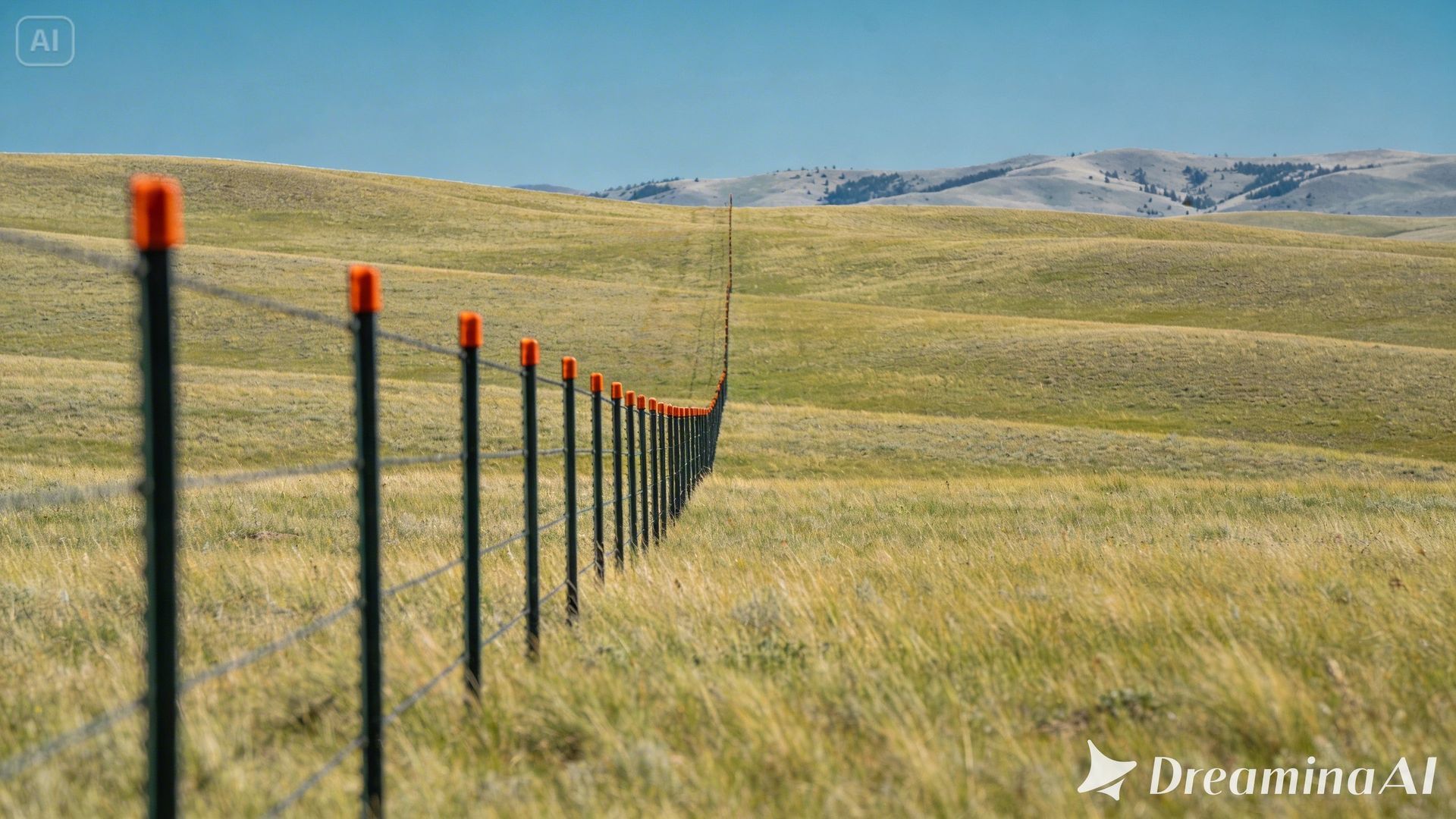
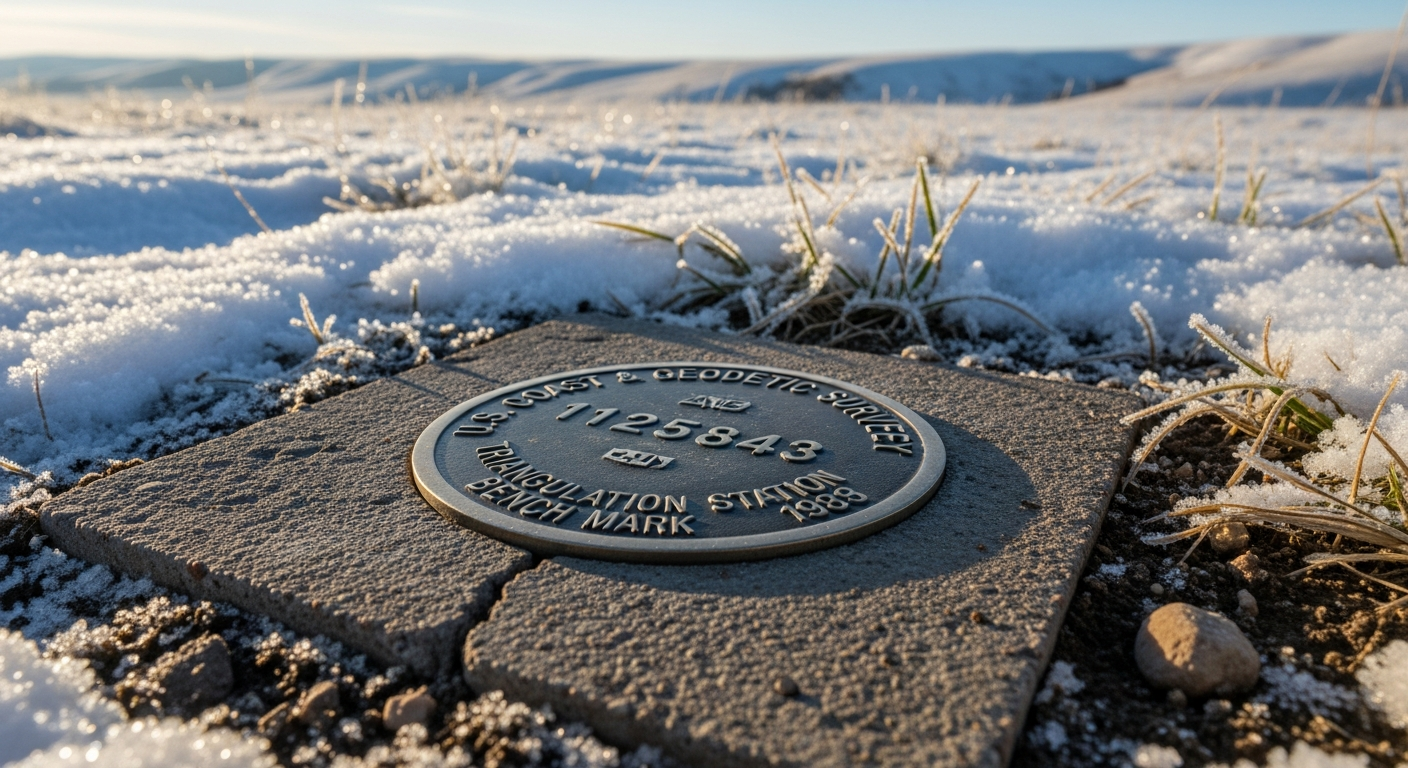
Snow can obscure property corners, monuments, and ground features. Frozen soil makes it more difficult to expose existing markers or set new ones. In rural areas, access roads may be limited or temporarily impassable. Shorter daylight hours reduce the window for field measurements, while extreme cold can affect equipment performance if not properly managed.
These factors don’t make surveying impossible—but they do require careful planning and professional judgment.
How Winter Conditions Affect Different Survey Types
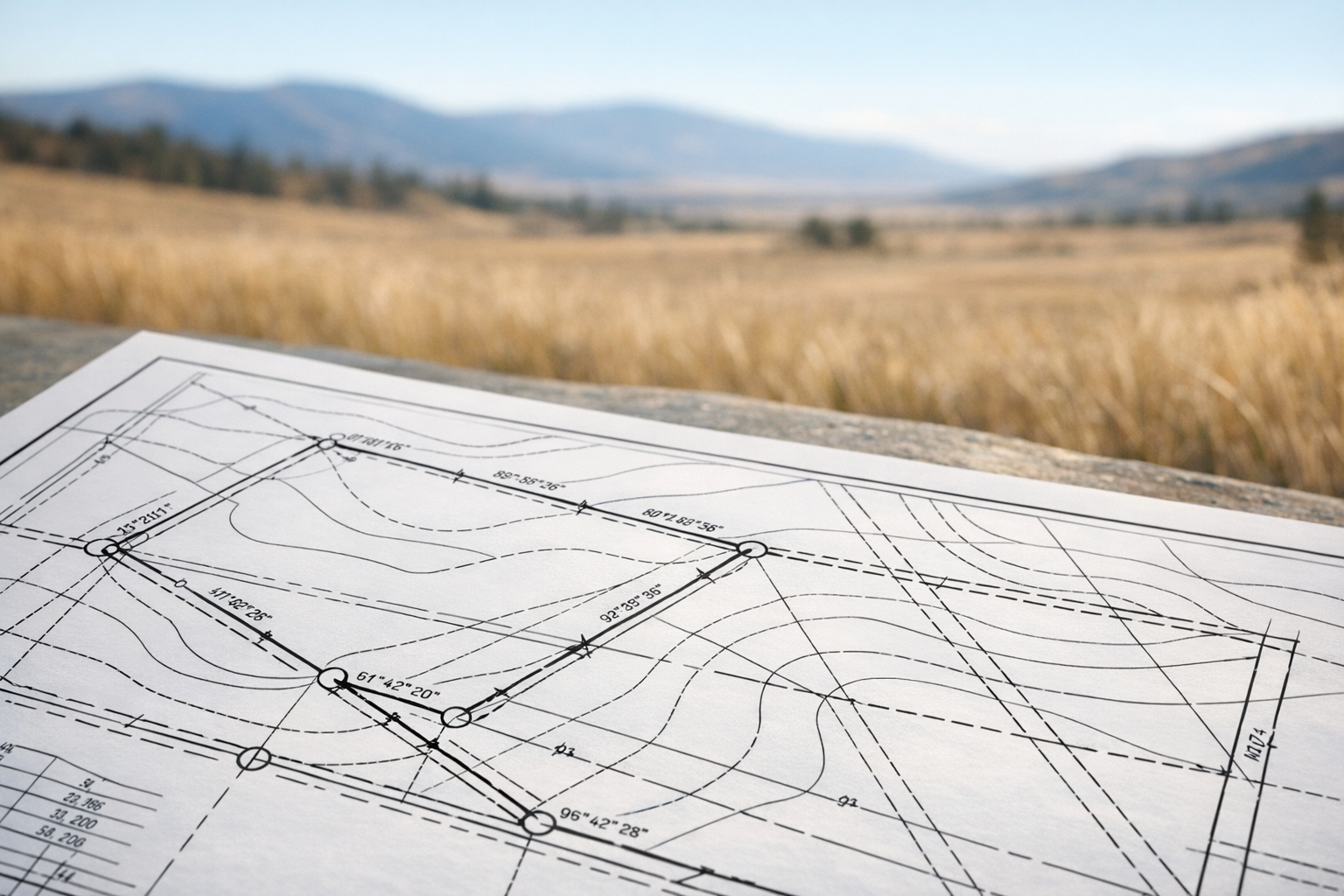
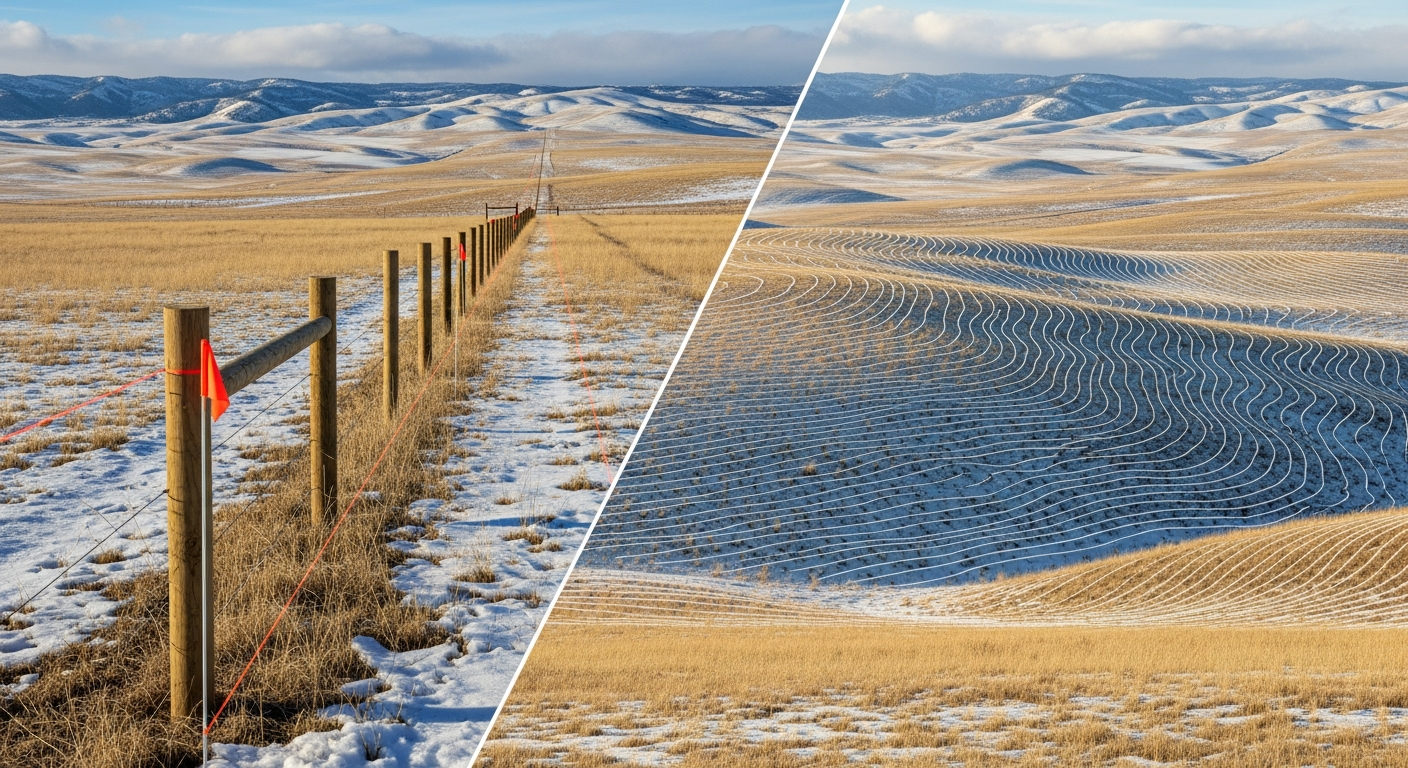
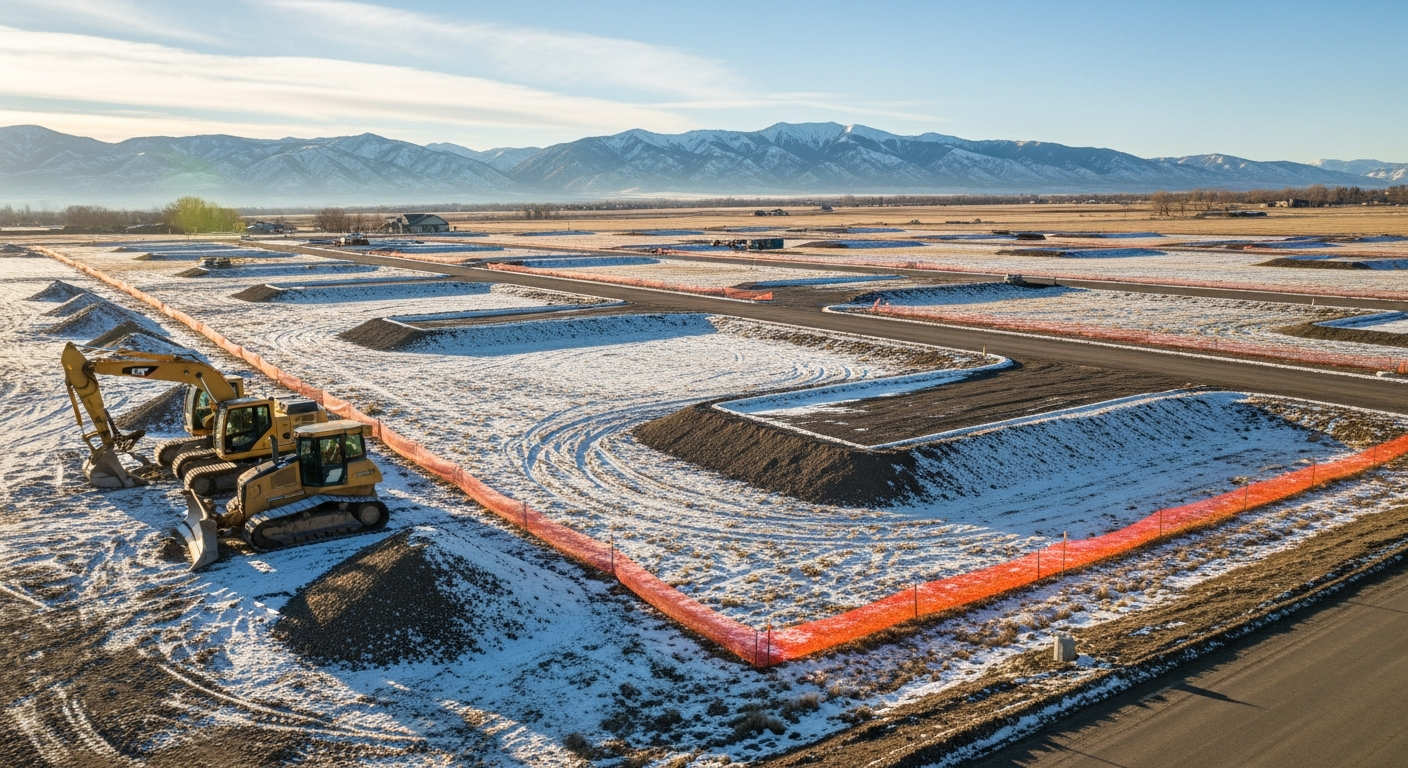
Some surveys are more affected by winter conditions than others. Boundary surveys may take additional time if corner monuments are buried or frozen in place. Topographic surveys can be limited when snow covers the ground surface, making it harder to capture fine elevation detail or drainage paths.
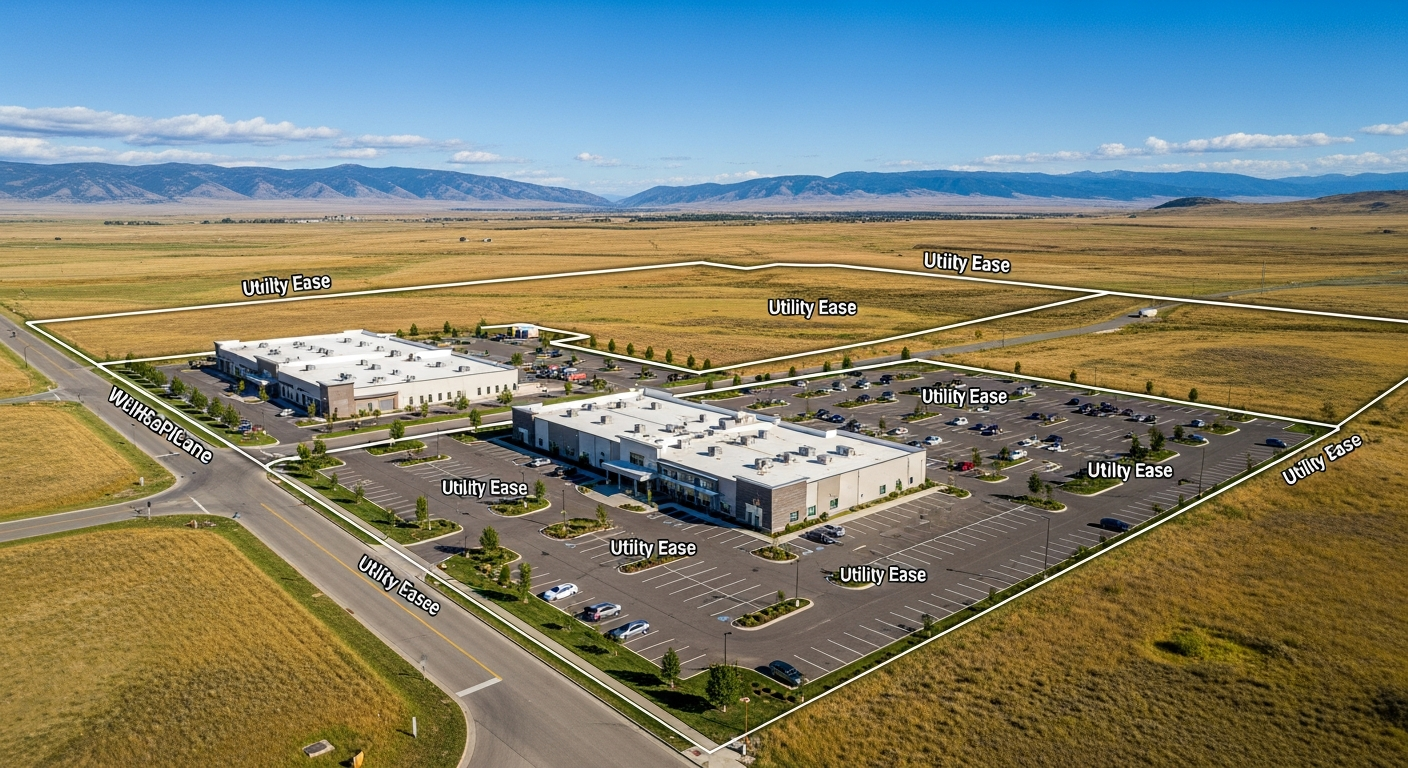
On the other hand, certain tasks—such as record research, ALTA/NSPS survey preparation, and office-based data analysis—can continue without interruption. Construction stake-out surveys may still be possible if ground conditions allow and access is maintained.
Knowing which survey types are best suited for winter timing helps keep projects realistic and on schedule.
How Prairie Point Overcomes Winter Challenges
We approach winter surveying with flexibility and preparation. Before any field visit, we evaluate weather conditions, site access, and project requirements to determine the most effective approach.
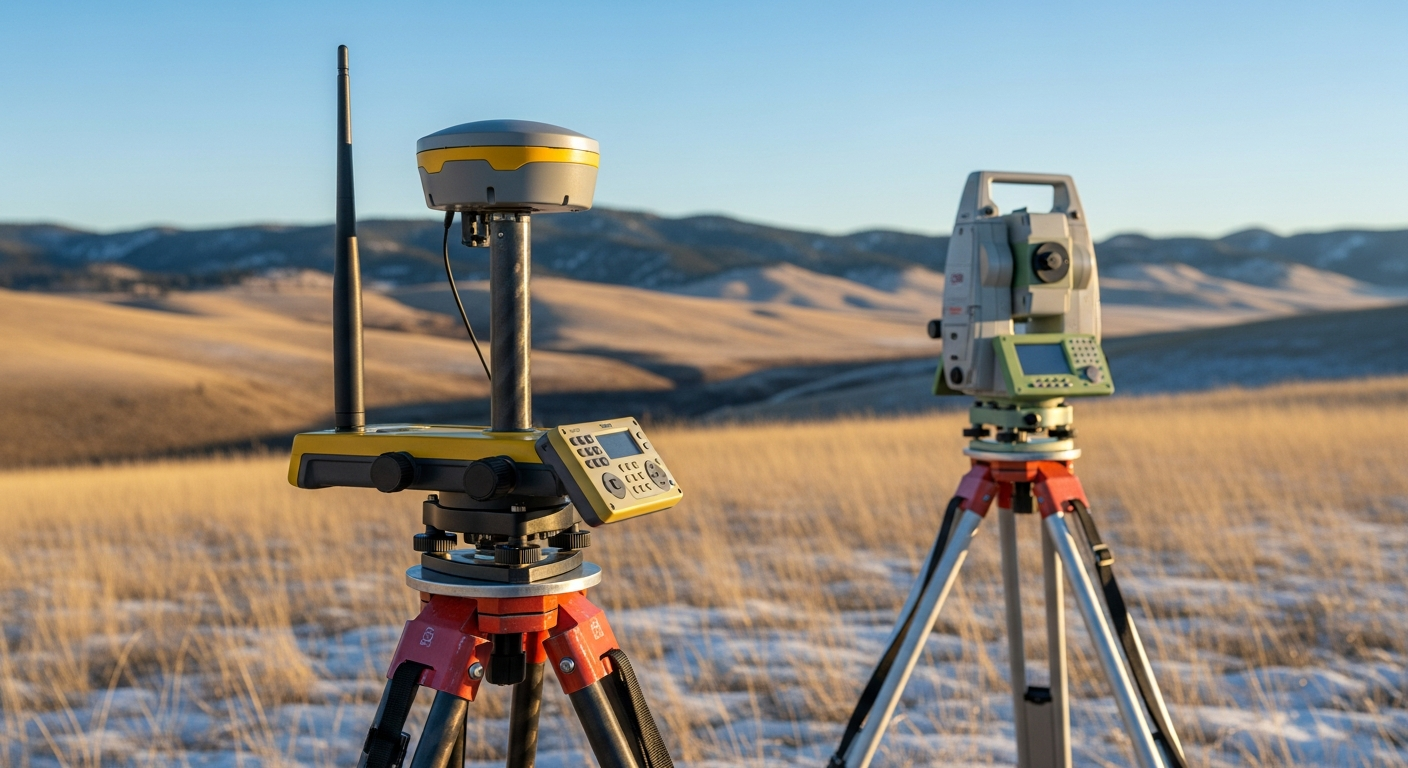
Our crews use cold-rated GPS and total station equipment, along with established control points, to maintain accuracy even in low temperatures. When monuments are covered, we rely on historical records, adjacent evidence, and precise measurements to verify boundary positions. If monument setting must wait for thaw, we communicate that clearly and plan follow-up work when conditions allow.
Most importantly, we set expectations upfront. Clients know what can be completed immediately and what may need to wait for spring—so there are no surprises.
Why Accuracy Still Matters in Winter
Cold weather doesn’t reduce the need for precision. In fact, winter is often when lenders, developers, and property owners prepare for spring projects. Survey data collected or verified during winter months allows design, permitting, and planning to move forward without delay.
Whether it’s confirming boundaries for a pending sale or preparing ALTA documentation for financing, winter surveys provide continuity when timelines matter.
When Winter Is a Good Time to Schedule a Survey
Winter can actually be a smart time to schedule certain surveys. Demand is often lower than during peak construction season, which may allow for more scheduling flexibility. If your project involves record research, boundary verification, or planning-level data, winter timing can put you ahead of the spring rush.
Even for field-heavy surveys, starting the process early allows research and coordination to begin before full field access is available.
Montana-Specific Experience Makes the Difference
Surveying in Montana requires familiarity with local terrain, seasonal conditions, and county requirements. From frozen agricultural fields to snow-covered residential lots, winter conditions vary widely across the region.
Our Billings-based team understands how to adapt methods while maintaining compliance with Montana surveying standards. That local experience ensures your survey remains accurate, defensible, and ready for use—regardless of the season.
Final Thoughts
Winter surveying presents challenges, but it doesn’t stop progress. With the right tools and experience, surveys completed during Montana’s colder months can be just as reliable as those performed in summer.
At Prairie Point Land Surveyor, we plan carefully, communicate clearly, and deliver dependable results year-round—so your project doesn’t have to wait for warmer weather.
Need survey work completed during the winter months?
Contact Prairie Point Land Surveyor to discuss timing, feasibility, and next steps. We’ll help you move forward with accurate, professional survey data—no matter the season.