ALTA/NSPS Land Title Surveys Explained for Commercial Buyers

December 10, 2025

When you purchase or develop commercial property in Montana, one document carries more weight than almost any other: the ALTA/NSPS Land Title Survey.

Lenders, title companies, and investors depend on this survey because it provides the most complete picture of a property’s boundaries, improvements, and potential risks.


At Prairie Point Land Surveyor, we prepare ALTA/NSPS surveys that meet national standards and support smooth, confident transactions. If you’re buying, refinancing, or developing commercial land, here’s what this survey includes — and why your project depends on it.


What an ALTA/NSPS Land Title Survey Is


An ALTA/NSPS survey is a detailed, standardized survey developed by the American Land Title Association (ALTA) and the National Society of Professional Surveyors (NSPS).

It goes far beyond a typical boundary survey. The goal is to give all parties — lenders, title insurers, attorneys, and buyers — a complete, accurate view of the property.


This survey verifies:


  • The property’s boundary and corner monuments
  • Building locations and their distances to boundaries
  • Encroachments, easements, access rights, and rights-of-way
  • Utilities, visible improvements, and site features
  • Zoning classifications and setback requirements (if requested)
  • Every detail supports the transfer of clear, insurable title.


Why Commercial Buyers Need an ALTA Survey


Commercial real estate carries higher risk and stricter due diligence requirements than residential property.

Lenders and title companies rely on ALTA standards to confirm that nothing on the property — or just outside of it — could affect ownership, development, or long-term use.


An ALTA survey helps identify:


  • Encroachments that may affect expansion
  • Easements that limit building placement
  • Access restrictions that may affect operations
  • Recorded or unrecorded improvements
  • Conflicts between field evidence and title documents


Without this level of detail, a project can face unexpected delays, redesigns, or legal complications.


What Makes ALTA Surveys Different From Standard Surveys


While a boundary survey defines the limits of your property, an ALTA survey combines boundary verification with a deeper investigation of title elements.

It ties together field measurements, public records, title commitments, and optional Table A items selected by the client or lender.


These optional items may include:


  • Flood zone classification
  • Topographic mapping
  • Parking counts
  • Utility evidence and underground research
  • Zoning setback documentation


The ALTA standards ensure that everyone reviewing the property sees the same certified data, prepared to national guidelines.


The Process of Completing an ALTA Survey


We begin by reviewing your title commitment and all recorded documents affecting the property. This includes easements, access agreements, plats, and prior surveys.

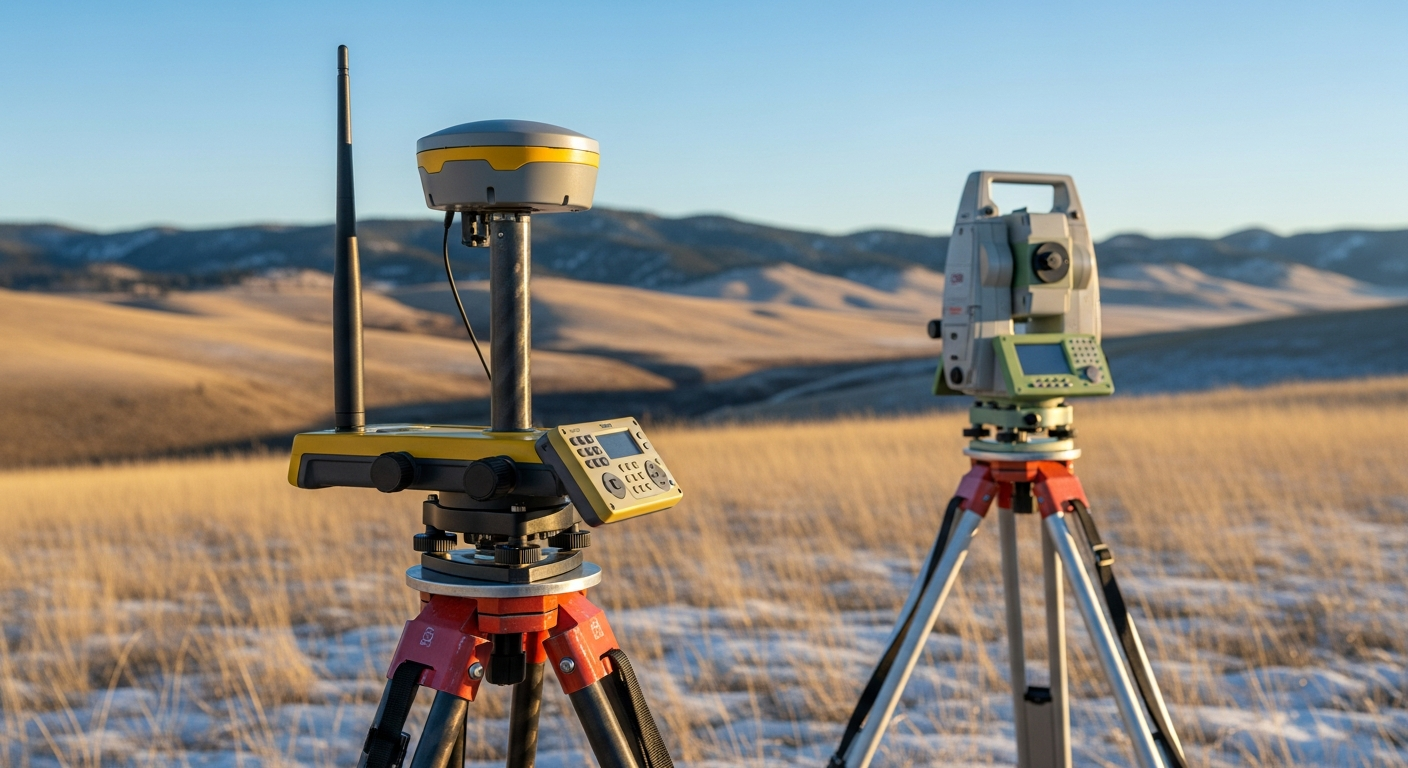
In the field, we locate boundary evidence, measure improvements, identify utilities, and document visible encroachments. We verify all measurements using high-precision GPS and total station equipment.


Once fieldwork is complete, we prepare a certified ALTA drawing that includes every required element and any Table A items you or your lender have selected.

Before delivering the final survey, we ensure it meets ALTA/NSPS Minimum Standard Detail Requirements and aligns with Montana’s licensing and documentation regulations.


When to Order an ALTA Survey


You should request an ALTA survey any time you are:


  • Purchasing commercial land or buildings
  • Seeking financing for commercial property
  • Developing a site or expanding an existing facility
  • Refinancing a commercial loan
  • Resolving title or access questions


Ordering early helps your lender, attorney, and title company review the results before closing, keeping the transaction on schedule.


Benefits for Developers and Investors


An ALTA survey gives you the clarity to make confident decisions. It reveals whether your project meets zoning and setback requirements, whether utilities are adequate for redevelopment, and whether existing improvements align with the recorded title.

It also reduces costly surprises — from hidden easements to unrecorded encroachments — that can disrupt construction or change the design.


For long-term investors, a precise ALTA survey strengthens due diligence and protects the investment from future disputes.


Montana-Specific Considerations


Montana’s mix of urban, industrial, and rural commercial sites creates unique challenges. Older properties may have incomplete records or outdated improvements.

In developing areas, access easements, utility corridors, and floodplain boundaries can shift over time. Our team understands how these factors affect commercial transactions and ensures that every ALTA survey reflects both national standards and local conditions.


Final Thoughts


An ALTA/NSPS Land Title Survey provides the certainty commercial buyers need. With a clear view of boundaries, easements, and improvements, you gain the confidence to close, develop, or invest without unnecessary risk.


At Prairie Point Land Surveyor, we deliver accurate, compliant ALTA surveys that support smooth transactions and long-term property success.


If you’re purchasing or developing commercial property, we can help.

Contact Prairie Point Land Surveyor for a certified ALTA/NSPS Land Title Survey prepared to national standards and Montana requirements.
Barbed wire fence with weathered wooden posts, spanning across a dry, grassy plain under a bright blue sky.
December 4, 2025
Learn how a certified boundary survey resolves property corner disputes in Montana. Understand how survey data protects ownership and clarifies legal property limits.
Rolling golden hills with rippled patterns, dotted with trees, under a clear blue sky.
November 26, 2025
Learn when you need a topographic survey in Montana and why accurate elevation data is essential for design, drainage, and construction planning.
Aerial view of a house plan overlaid on a dirt lot, showing a curved driveway and surrounding trees.
November 19, 2025
Get a certified site plan that meets Montana permitting standards. Learn how accurate survey data supports zoning compliance, construction planning, and smooth permit approval.
Fence lines across a dry field, mountains in the distance under a blue sky.
November 12, 2025
Understand Montana’s surveying laws and why only licensed surveyors can certify property boundaries. Learn how compliant surveys protect ownership and ensure legal accuracy.
Surveyors' stakes and lines mark a grassy field, mountains in the distance, and blue sky.
November 5, 2025
Learn how to read a land survey drawing with confidence. Understand boundaries, easements, and topography from certified Montana surveyors.
Surveying equipment set up by a river, autumn landscape.
October 30, 2025
Get clarity on elevation certificates in Montana. Learn how certified data from a licensed land surveyor can lower flood insurance costs and ensure FEMA compliance.
October 24, 2025
Before winter weather settles across Montana, it’s worth asking: Are your property boundaries clearly defined? At Prairie Point Land Surveyor, we see a consistent pattern each year. Homeowners and developers who schedule surveys in the fall avoid costly construction delays, permit issues, and frozen-ground headaches once winter arrives. Here’s why autumn is the ideal season to complete a boundary survey —and how it helps you move confidently into the new year. Why Boundary Surveys Matter A boundary survey identifies and verifies the exact limits of your property. It’s the foundation for nearly every land-related decision, from installing a fence to subdividing acreage. The surveyor’s job is to locate property corners, research deeds and plats, and produce a certified survey drawing you can rely on for permits, design, or construction. Without an accurate survey, you risk building in the wrong location or misjudging your property’s size—and that can lead to legal disputes, wasted material, and project delays. Fall Offers the Best Field Conditions In Montana, field conditions matter. Surveying depends on visibility, accessibility, and stable ground—all of which are optimal during the fall months. 1. Better Ground Visibility By late September and October, vegetation starts to thin out. This improves line-of-sight for instruments and makes corner markers, fences, and monuments easier to locate. Tall grass, dense brush, and summer foliage often obstruct boundary points—so survey accuracy improves when sightlines are clear. 2. Accessible Terrain Before winter snowpack or spring runoff, surveyors can reach corner monuments without the added challenge of mud or ice. Dry, stable soil allows for faster and safer surveying work. 3. Ideal Lighting and Weather Cooler temperatures mean crews can spend longer periods in the field, and with less heat distortion affecting instrument readings, the precision of total station and GPS measurements is often at its peak. Avoid Winter Delays and Frozen Ground Once Montana’s frost sets in, fieldwork becomes more complex. Iron pins and monuments can freeze in place, snow can obscure markers, and the ground may require thawing before measurement or excavation. Surveying ahead of the cold season ensures your survey record and certified map are complete and ready when contractors, lenders, or county offices need them. In other words: while others wait for spring thaw, you’re ready to move forward. Perfect Timing for Upcoming Projects Whether you’re planning a fence installation, driveway, addition, or new build in the coming year, a fall survey keeps your project timeline on track. You’ll benefit from: Accurate site data for design and permitting. Your engineer or architect can begin work immediately. Verified property corners for contractors. Builders can plan without uncertainty. Regulatory compliance early on. If you need an Elevation Certificate or ALTA/NSPS Land Title Survey , completing it before winter avoids spring rush delays. By scheduling now, you’ll enter construction season with confidence—and likely save on costs tied to rushed or postponed surveys. Legal & Real Estate Advantages Boundary clarity doesn’t just support construction—it protects ownership. A current survey helps confirm legal property lines , identify encroachments , and resolve title questions before a sale or refinance. Lenders and title companies frequently require an updated boundary or ALTA/NSPS Land Title Survey before closing. Having this documentation ready in advance helps your transaction move smoothly, even during the busy spring market. How Prairie Point Handles Fall Surveys At Prairie Point Land Surveyor , we combine detailed field measurements with local regulatory expertise. Every survey is conducted by a licensed Montana surveyor , and each certified drawing meets state and county requirements. Our process includes: Record Research – Reviewing deeds, plats, and easements. Field Work – Locating or setting property corners using GPS and total station equipment. Data Analysis – Reconciling field findings with record documents. Certified Survey Drawing – Delivering a clear, precise map ready for permitting, sale, or construction. You receive a final deliverable you can trust—accurate, compliant, and ready for your next step. Montana-Specific Considerations Local conditions make Montana surveying unique. From expansive rural tracts to complex subdivision corners, each site demands local experience and familiarity with county records. Our Billings-based team understands these conditions—whether your property lies in Yellowstone County or along the surrounding rural edges—and ensures compliance with state and local surveying standards . When to Schedule Your Fall Survey We recommend booking a boundary or elevation survey between mid-September and mid-November , before the first deep freeze. If you’re planning construction, land purchase, or design work in spring 2026, now is the right time to: Confirm property boundaries Obtain a certified survey drawing Request elevation data or ALTA documentation Scheduling early ensures availability and avoids the spring backlog. Final Thoughts Fall offers the perfect window to clarify your property boundaries before Montana’s winter sets in. Accurate survey data now saves time, prevents disputes, and prepares you for any project or transaction ahead. At Prairie Point Land Surveyor, we provide precise, compliant, and dependable results—so you can move forward with confidence, whatever your next project may be. Need a boundary survey before winter? Contact Prairie Point Land Surveyor today for a quote and timeline. You’ll receive a certified survey drawing that meets all regulatory standards and keeps your plans on solid ground.
September 10, 2025
Learn how easements can impact your property rights in Montana. From utility lines to shared driveways, discover why a land survey is essential before you build or buy in Billings.
Aerial view of a rural landscape with fields of green and gold, trees, roads, and a distant mountain range under a blue sky.
September 3, 2025
Thinking about subdividing your property in Montana? Learn how a land surveyor helps ensure legal, accurate, and efficient land splits—especially in growing areas like Billings and Yellowstone County.
July 17, 2025
Most property owners don’t think about land surveying until a problem arises. Whether you’re purchasing land, building on your lot, or facing a dispute, a land surveyor plays a crucial role in protecting your property rights. In a growing state like Montana—especially around busy markets like Billings—land use is becoming more complex. In this post, we’ll highlight the top 5 reasons you might need a land surveyor and how it can save you time, money, and legal headaches down the road. 1. You’re Buying Property in Montana Before closing on any real estate transaction, it’s smart to confirm exactly what you’re purchasing. A land surveyor can verify the boundaries, easements, and dimensions of the property—and check if any structures encroach on neighboring land. Without a survey, you may unknowingly inherit: - A neighbor’s shed or fence on your lot - Inaccurate lot dimensions - Hidden access easements or utility lines In Billings, where property development is expanding into previously rural areas, these issues are increasingly common. A survey protects both buyers and sellers by ensuring the land matches what’s promised in the deed. 2. You’re Building a Fence, Garage, or Home Addition Thinking about building a new fence or garage? You’ll want to know your exact property lines. Montana law doesn’t require you to get a survey before building—but skipping it can lead to serious issues later. If a structure crosses into a neighbor’s property, you could be forced to move or remove it. Surveys ensure your improvements are legal and help you avoid expensive disputes. In Billings neighborhoods like the Heights or West End, where parcels are tightly packed, a few inches can make all the difference. 3. You’re Dealing with a Property Line Dispute Few things sour neighborly relations faster than a disagreement over boundaries. Whether it’s about a shared driveway, a tree, or a misplaced fence, these issues often boil down to unclear or inaccurate property lines. A licensed land surveyor provides objective, legally recognized evidence of where your land begins and ends. In many Montana courts, a professional boundary survey is key to resolving disputes quickly and fairly. 4. You’re Subdividing or Developing Land If you’re turning one parcel into two (or more), you’ll absolutely need a survey. Land surveyors play a vital role in: - Mapping new lot lines - Meeting Yellowstone County subdivision requirements - Providing data for zoning and development approval For developers and landowners looking to build in the Billings area, working with a surveyor early in the process keeps things running smoothly and helps avoid rework or permitting delays. 5. You Need to Comply With Zoning, Permits, or Legal Descriptions Montana municipalities—including Billings—have specific setback rules, zoning laws, and right-of-way regulations. These can affect where you’re allowed to build, how close you can build to a street or neighbor, and what kind of improvements are allowed. A surveyor ensures that your property’s legal description matches reality—and that you’re in compliance with all local requirements. This is especially important if you're applying for permits or refinancing through a lender. Bonus Reason: Peace of Mind Even if none of the above applies to you right now, a professional land survey gives you clarity and confidence. You’ll know: - Where your property starts and ends - That you're in compliance with local laws - That you’ve taken the right steps to protect your investment For rural properties, historic parcels, or undeveloped land, a survey can reveal surprising (and valuable) information. When in Doubt, Survey It Out A land survey might not be the first thing on your to-do list, but it should be. Especially here in Montana, where vast landscapes meet growing urban sprawl, clearly defined boundaries are more important than ever. Call us at  406-551-1916  for a free quote today, or visit prairiepointlandsurveyor.com to learn more about our services. Let’s ensure your next project in Billings succeeds!